Bodrum Yazıları

Bodrum Yazıları
Selected Restaurants
Bodrum'da Yapmak İstediğiniz Üç Şeyi Seçin!
Bodrum'un en beğenilen etkinliğini belirlememize sizin de katkınız olsun. Bodrum'da en çok yapmak istediğiniz üç şeyi seçiniz. Ankete yalnızca bir defa katılabilirsiniz.
5
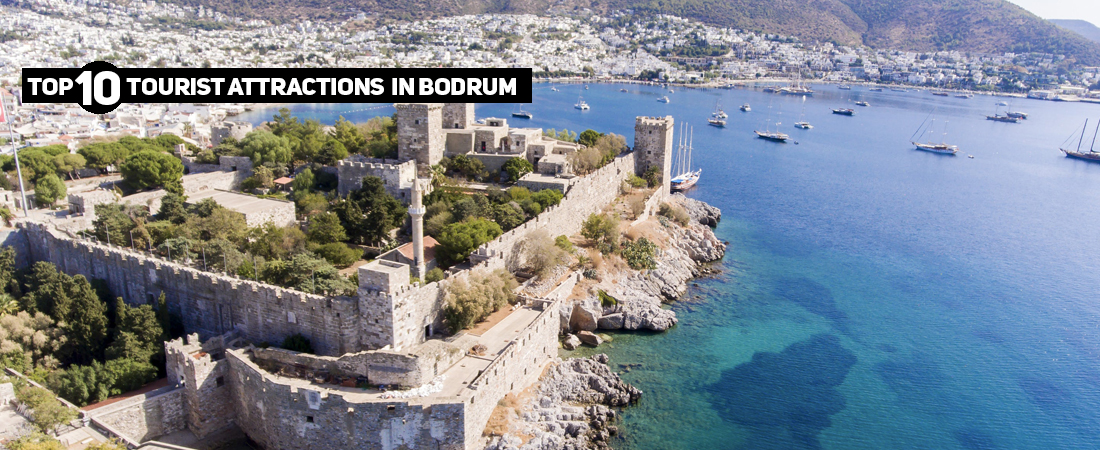
BODRUM KALESİNİ GEZMEK
5
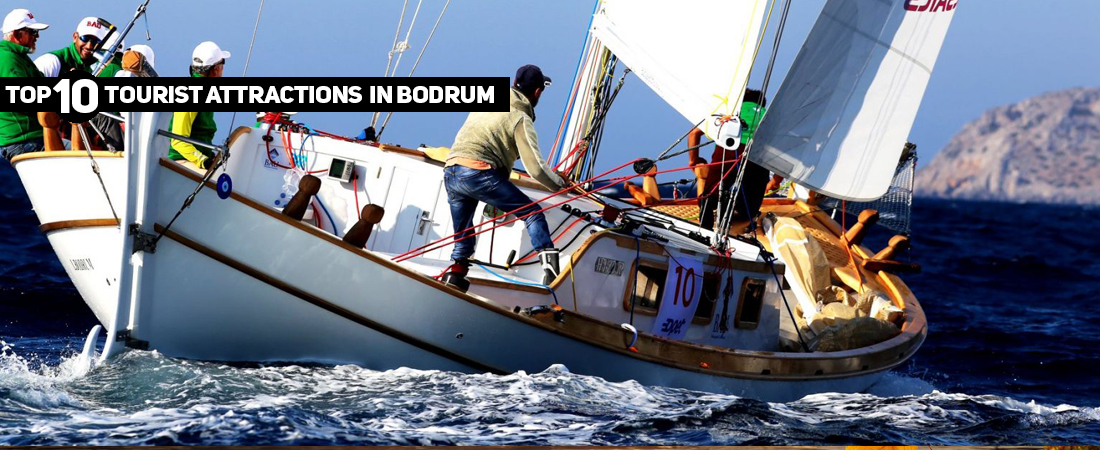
BODRUM CUP'A KATILMAK
7
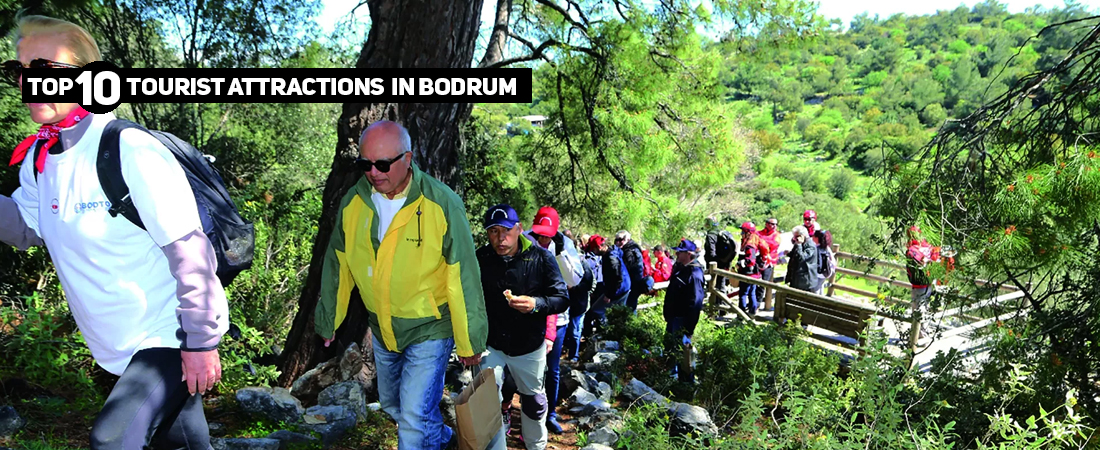
LELEG YOLUNDA YÜRÜMEK
5
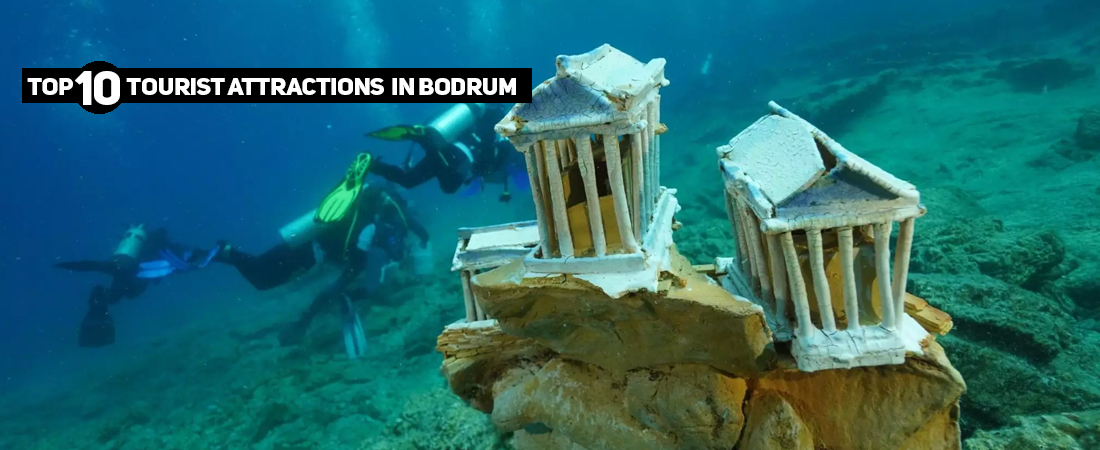
DENİZ ALTINI KEŞFETMEK
3
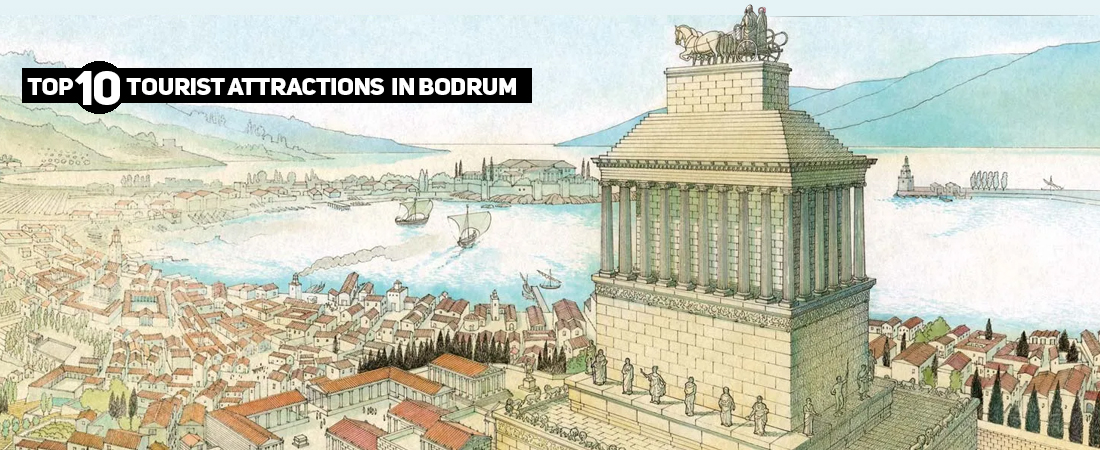
MOZOLE'Yİ ZİYARET ETMEK
10
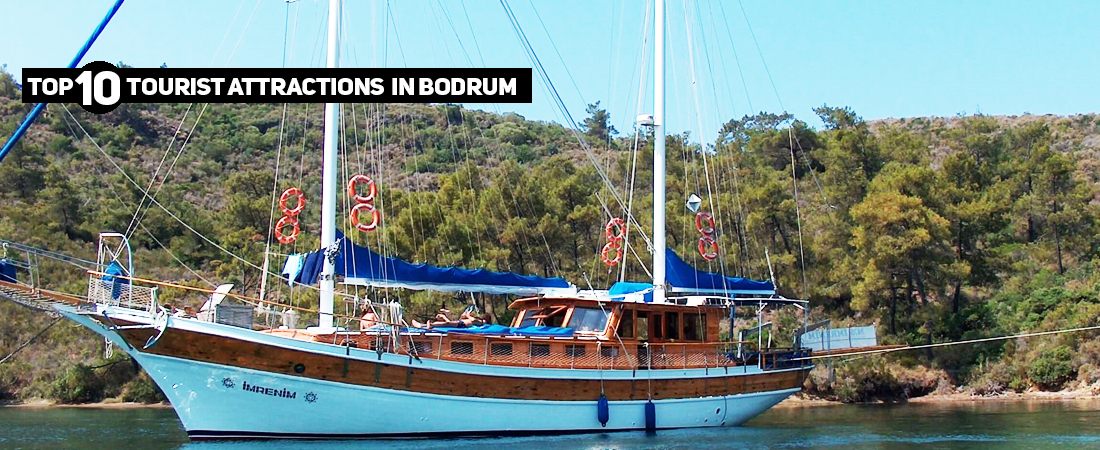
MAVİ YOLCULUĞA KATILMAK
3
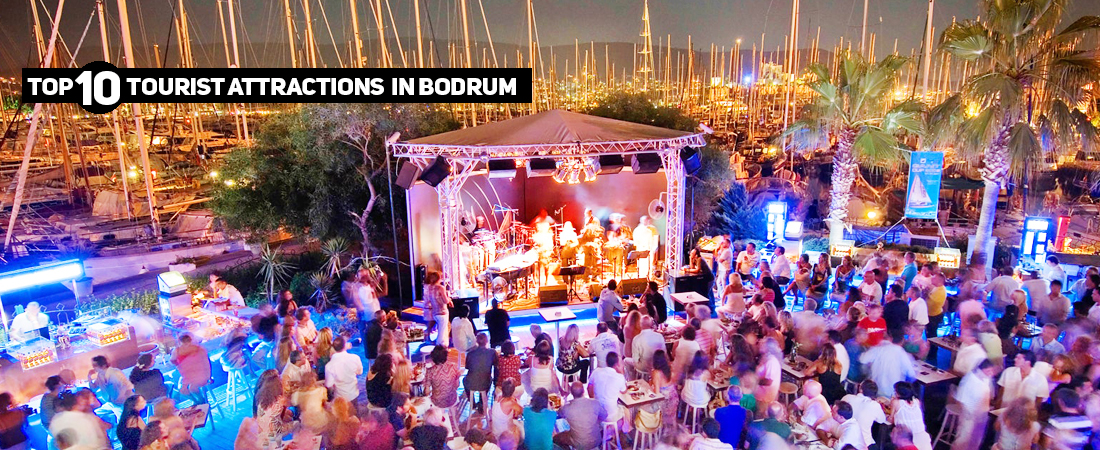
GECE HAYATINI YAŞAMAK
0
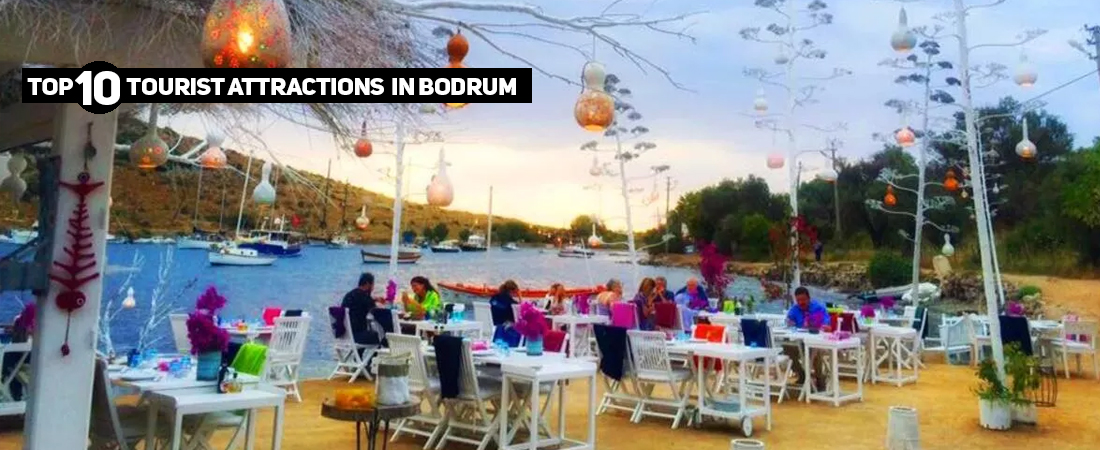
SAHİLDE BALIK YEMEK
5
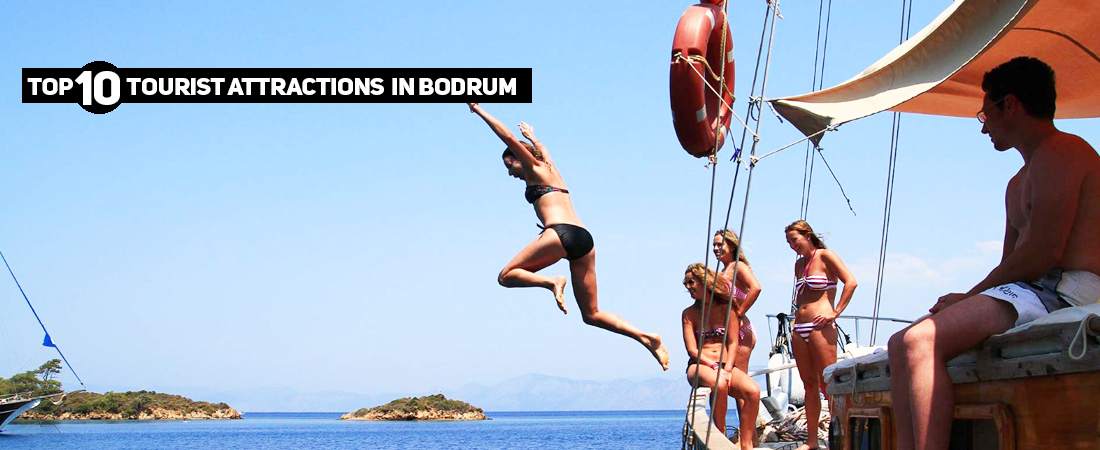
TEKNE TURUNA ÇIKMAK
5
YEREL PAZARLARI GEZMEK

Nereye Gidilir

Ga’u Restaurant ve Takı Sergisi
Gau sanki biraz gizlenmiş gibi. Bodrum'un dar sokakları içinde geniş …Devamı»
The LifeCo Wellbeing Bodrum
TheLifeCo, 2005 yılındaki kuruluşundan bu yana detoks ve sağlıklı beslenme …Devamı»
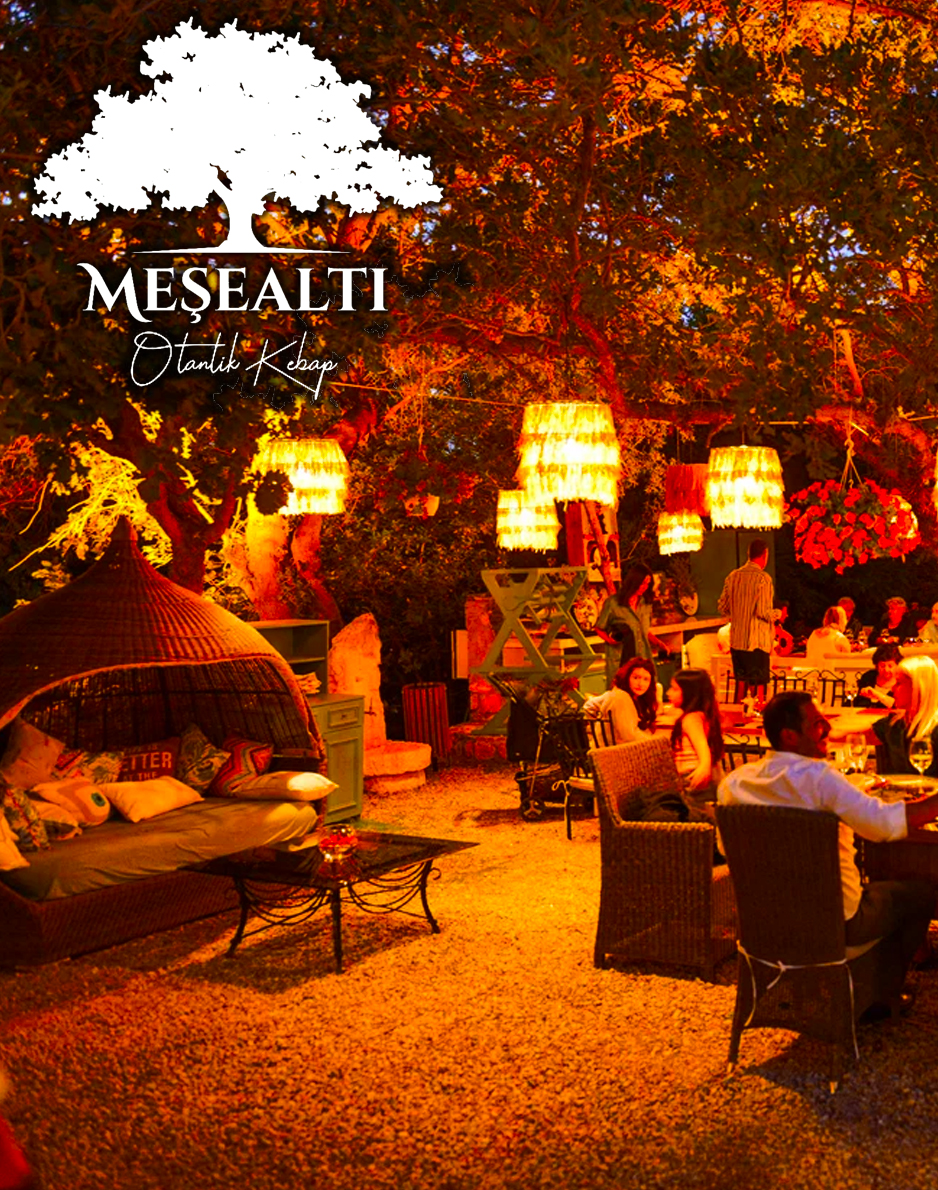
Otantik Meşealtı Kebab Restoranı
Bodrum Gümüşlük’ün tek kebap restoranı Otantik Meşealtı Kebap Restoranı alışılmışın …Devamı»
Maçakızı Hotel
Göltürkbükü'nün en gözde otellerinden biri ve büyük bir kesime göre …Devamı»
Baia Hotel
Ege'nin kristal berraklığındaki koylarından Bodrum Gündoğan'da faaliyet gösteren Hotel Baia …Devamı»